
Solar Critter Guard Installation in New Jersey
Birds and squirrels can shelter underneath rooftop solar arrays, bringing nesting material and the risk of damage to exposed wiring. SolarPulse installs fitted solar critter guard mesh throughout New Jersey to help discourage access beneath your panels.
Request a Free Quote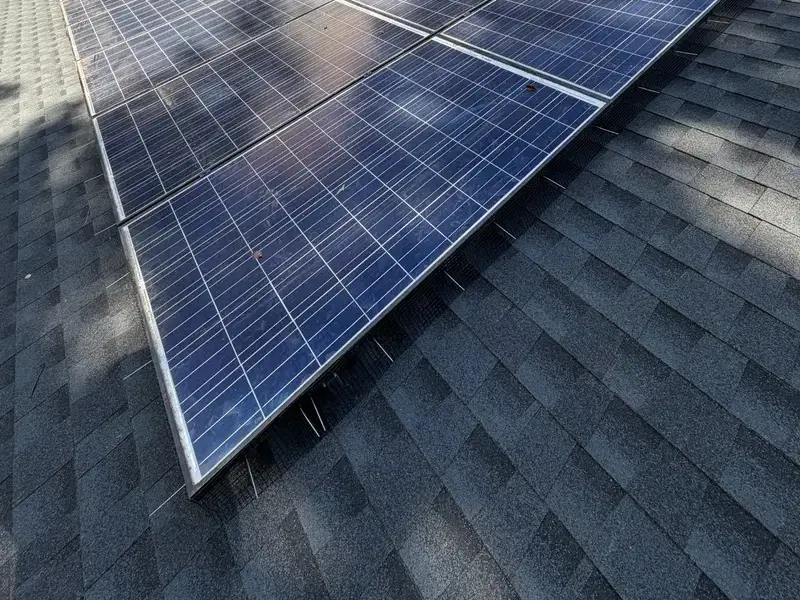
Practical care. Clear expectations.
Birds and squirrels can shelter underneath rooftop solar arrays, bringing nesting material and the risk of damage to exposed wiring. SolarPulse installs fitted solar critter guard mesh throughout New Jersey to help discourage access beneath your panels.
- A fitted barrier around accessible array edges
- Helps discourage nesting beneath panels
- Helps reduce debris accumulation under the array
- Equipment-compatible attachment planning
A thoughtful process.
From the first conversation.
Inspect the perimeter
We assess array edges, roof access, existing debris, and signs of animal activity. Active wildlife may require a qualified wildlife specialist first.
Prepare & fit
Accessible areas are prepared as agreed in the scope. Protective mesh is shaped around the array using an attachment method appropriate for the system.
Check the barrier
We review the perimeter and discuss any ongoing maintenance needs. A barrier is preventative and does not repair existing wiring or roof damage.
A barrier with
a purpose.
Mesh is fitted along the open edges beneath the solar array. It helps deter entry while preserving the space beneath the panels. Existing animal activity and any damage are assessed before installation.
Prevention starts at the array perimeter.
Solar arrays leave a sheltered space between the panels and the roof. Birds may carry nesting debris into that space, while squirrels can damage exposed components. A fitted barrier helps discourage entry along accessible edges without treating existing damage as repaired.
The preparation plan depends on what is already under the panels. Tell us about active wildlife, nesting material, visible wire damage, or new monitoring alerts. Wildlife handling, debris preparation, and any repairs may need separate coordination before mesh installation.
Serving all of New Jersey, including Atlantic County and surrounding communities. Include your property address when requesting availability and a quote.
Good questions.
Straight answers.
Have something else in mind?
Let’s talk about your project.
What does a solar critter guard do?
A fitted mesh barrier closes accessible gaps around the panel perimeter to help discourage animals from getting underneath. It is preventative protection; it does not repair existing wiring, roof damage, or equipment faults.
Can birds and squirrels damage a solar system?
Nesting debris can accumulate beneath the array, and animals may disturb or chew exposed wiring. If you notice debris, repeated activity, or a new system alert, request an assessment rather than reaching beneath the panels.
Will the mesh damage my panels?
Attachment compatibility and equipment guidance are reviewed before installation. The quote explains the proposed method and any access limitations; a barrier should not be attached without considering the system design.
What if animals are already nesting?
Tell us before scheduling. Active wildlife or protected nesting birds may need a qualified wildlife specialist before preparation and barrier installation can proceed. Do not try to trap animals beneath the array.
Can critter guard be installed when my panels are reinstalled?
Yes, ask when planning your roof replacement. We can discuss the barrier as part of the removal and reinstallation scope, including any existing debris or equipment concerns.
Does the barrier need maintenance?
The perimeter should be checked when there are signs of gaps, debris, or renewed animal activity. Roof work or changes to the array may also require the mesh to be reviewed and refitted.
Tell us what
your system needs.
Every property is different. Share a few details so we can discuss the right scope for your project.
Your property address, approximate panel count, and a photo of the array. If roofing is planned, include your roofer’s name and expected start date.